MKEB1053 Group Contribution — Musculoskeletal System

UTM Malaysia assignment viewer · Interactive 3D anatomy model with contributor profile

Back to MKEB1053
Preparing 3D viewer...
Starting... 0%
Keep this page open while the model loads.

Musculoskeletal System

Explore how muscles, bones, joints, tendons, and ligaments work together for movement and postures

Musculoskeletal System Legacy Model

Engineer notes
1 / 4
Engineer note image for Musculoskeletal System

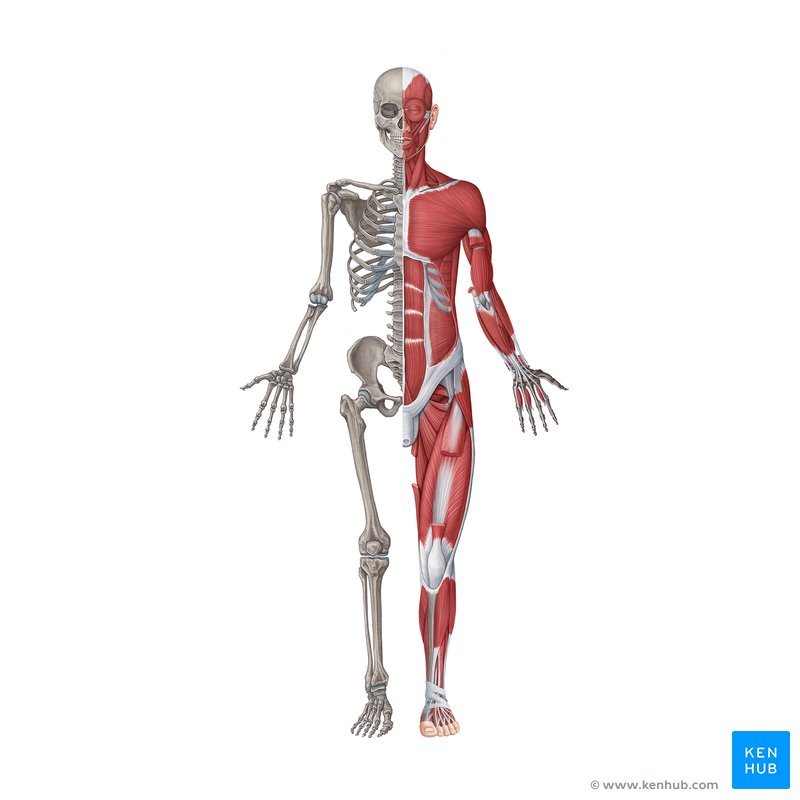
Muscular system connected to skeletal system by use of tendons

A tendon is a tough, fibrous cord of connective tissue that connects muscle to bone. Its primary function is to transmit the mechanical force generated by muscle contractions to the skeleton, allowing us to move our joints, run, jump, and maintain posture.
Engineer note image for Musculoskeletal System

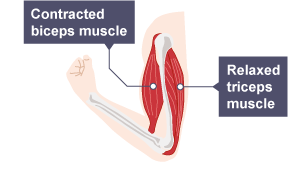
Antagonistic Muscle Pairs

Muscles can only pull; they cannot push. To move a bone back and forth, skeletal muscles must work in antagonistic pairs (opposite teams).

When one muscle contracts (the agonist), the opposing muscle (the antagonist) relaxes to allow movement.

Example: To bend your arm, your biceps contract while your triceps relax. To straighten it, the process reverses.

Engineer note image for Musculoskeletal System

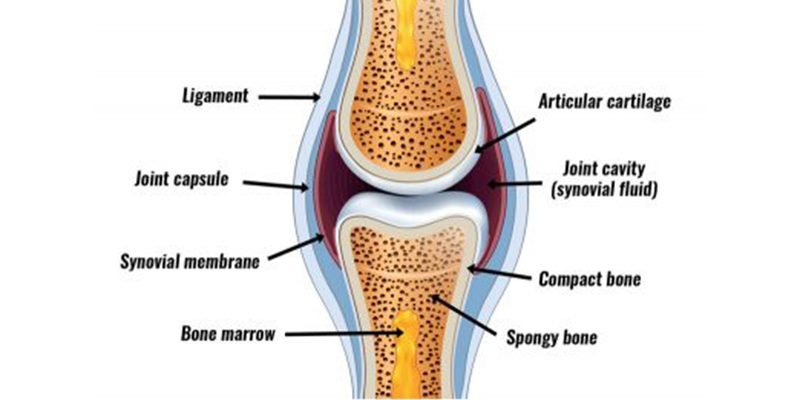
Synovial Joints and Ligaments

Where bones meet, they require a specialized architecture to move without grinding themselves to dust. Synovial joints (like your knees and shoulders) feature:

Articular Cartilage: A smooth, slippery coating on the bone ends that reduces friction.

Synovial Fluid: A built-in lubricant that cushions the joint.

Ligaments: Tough, fibrous bands of connective tissue that connect bone to bone, keeping the joint stable and preventing it from twisting out of place.

Engineer note image for Musculoskeletal System

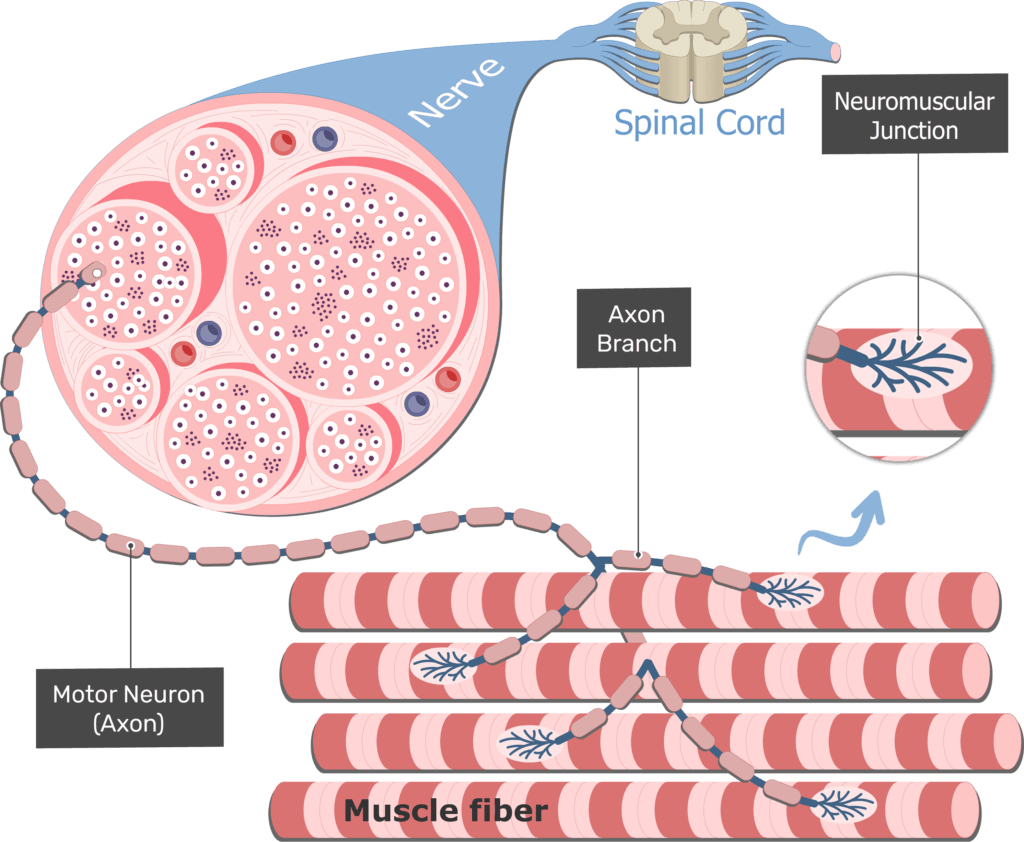
The Motor Unit and Neuromuscular Junction

For a muscle to contract, it must receive an electrical command from the nervous system.

A motor unit consists of a single motor neuron and all the specific muscle fibers it activates.

The neuromuscular junction is the chemical bridge where the nerve terminal meets the muscle fiber. The nerve releases a neurotransmitter (acetylcholine), which triggers an electrical wave inside the muscle, causing it to contract. This determines how much force you use, whether you are picking up a feather or lifting a heavy weight.